Tree Roots in Sewer Lines: What Littleton Homeowners Should Know
Mature trees and older pipes meet underground in Littleton. See how roots enter your line, the signs they leave, and how we clear them.
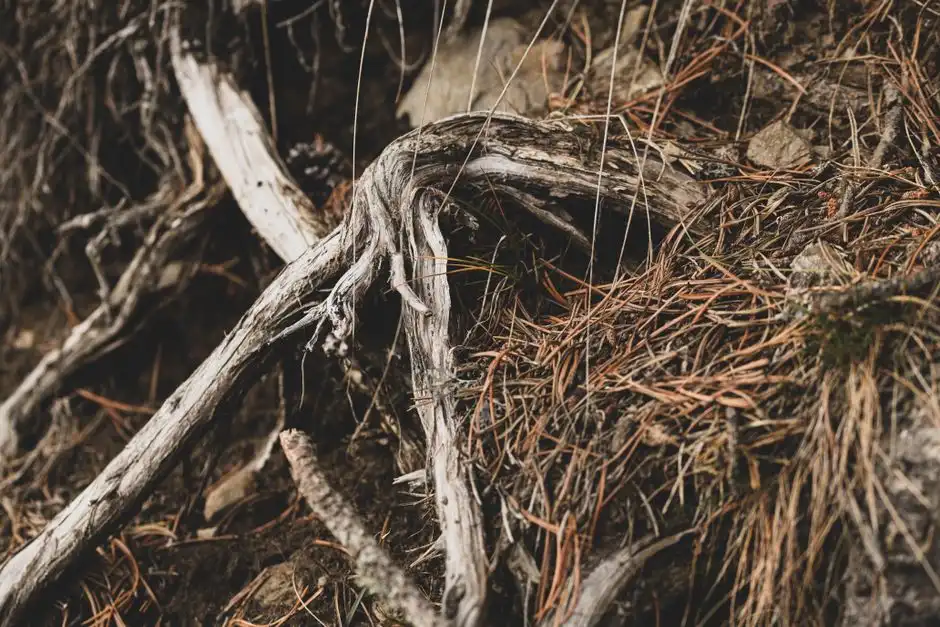
The big shade tree in your front yard is doing exactly what trees do. Its roots spread wide in search of water and nutrients, and your sewer line offers both, all year round. We are Littleton Sewer Backup Pros, and root intrusion is one of the most common causes of repeat backups we find in Littleton. This guide explains how roots get in, what they do once inside, and how we clear them while protecting both your pipe and your trees.
Why Roots Grow Toward Your Sewer Line
Roots do not break into a sound, sealed pipe by force. They find openings that already exist. A joint that has shifted a fraction, a tiny crack from soil movement, or a loose connection at a cleanout lets out a faint trace of moisture and vapour. Fine feeder roots sense that moisture and grow toward it, entering through gaps no wider than a hair.
Inside the line, that feeder root branches again and again. What began as a thread becomes a net, and the net catches paper, grease, and solids that would otherwise wash through to the street. Flow slows a little more each month.
Signs Roots Have Found a Way In
Root trouble follows a rhythm that gives it away. Drains slow down, clear for a while after a basic cleaning, then slow again on roughly the same cycle. Gurgling returns. A backup follows a period of heavy water use, such as guests staying over or several laundry loads in one day, because the root net holds fine at low flow and fails when the line runs full. If your home clears and clogs and clears again, ask for a camera look before you pay for another quick clearing.
The yard can confirm what the drains suggest. A tree whose roots have reached the line often grows a little faster on that side, and a sunken trench line above the pipe can mark where soil has settled into a damaged joint. A plumber in Ken Caryl homeowner described a flower bed that thrived while the rest of the yard struggled in a dry spell, and the camera found roots entering the joint directly below that bed.
How Clay Soil and Older Pipes Help Roots Along
Littleton ground makes root entry easier in two ways. Our clay soils swell when wet and shrink as they dry, and that slow movement works pipe joints back and forth over the years. Freeze and thaw winters add to the stress, heaving the ground above shallow lines and then letting it settle again in spring. Older pipes with many joints give roots many chances, because each joint is a possible door, while a long unbroken run offers almost no way in at all.
Age alone does not doom a line, though. We inspect older pipes that are still clean inside because their joints stayed tight and their trees sit far enough away. Homes near the South Platte River corridor, where water tables run higher after spring runoff, give roots an extra reason to linger near pipes that leak even a small amount of moisture into the surrounding soil.
How We Remove Roots and Repair the Damage
We start by cutting the root mass out of the line and flushing the debris through, then we run the camera again to judge the joint that let the roots in. Our Hydro Jetting in Littleton work scours the pipe walls clean after cutting, so paper and grease have nothing rough to catch on. Cutting alone buys you time, but it works like pruning. Roots often return at the same joint unless the opening itself is repaired or lined.
That is why we talk honestly about the next step once you have seen the footage. A single damaged joint may need a focused Sewer Line Repair in Littleton job, while a line with roots at many joints may be better served by lining the full run. The factors that shape the choice include how many joints are affected, the depth of the line, and what sits above it, such as a driveway or a tree you want to keep. We lay out those factors and let you decide with clear eyes.
Planting Choices That Lower the Risk
You do not need to cut down a healthy tree to protect your line, but planting with the line in mind prevents most future trouble. Find out where your sewer line runs before you plant, and give new trees room so their mature root spread stays clear of that path.
A plumber in Lakewood neighbour learned the same lesson after planting a fast growing shade tree almost directly over a shallow line, and had to line the pipe within a few years. If you already have mature trees over your line, a camera check on a regular cycle catches new growth while it is still thin and simple to clear. Ring Littleton Sewer Backup Pros on (123) 456-7890 for a camera visit, and we will tell you plainly whether roots are part of your line story.